
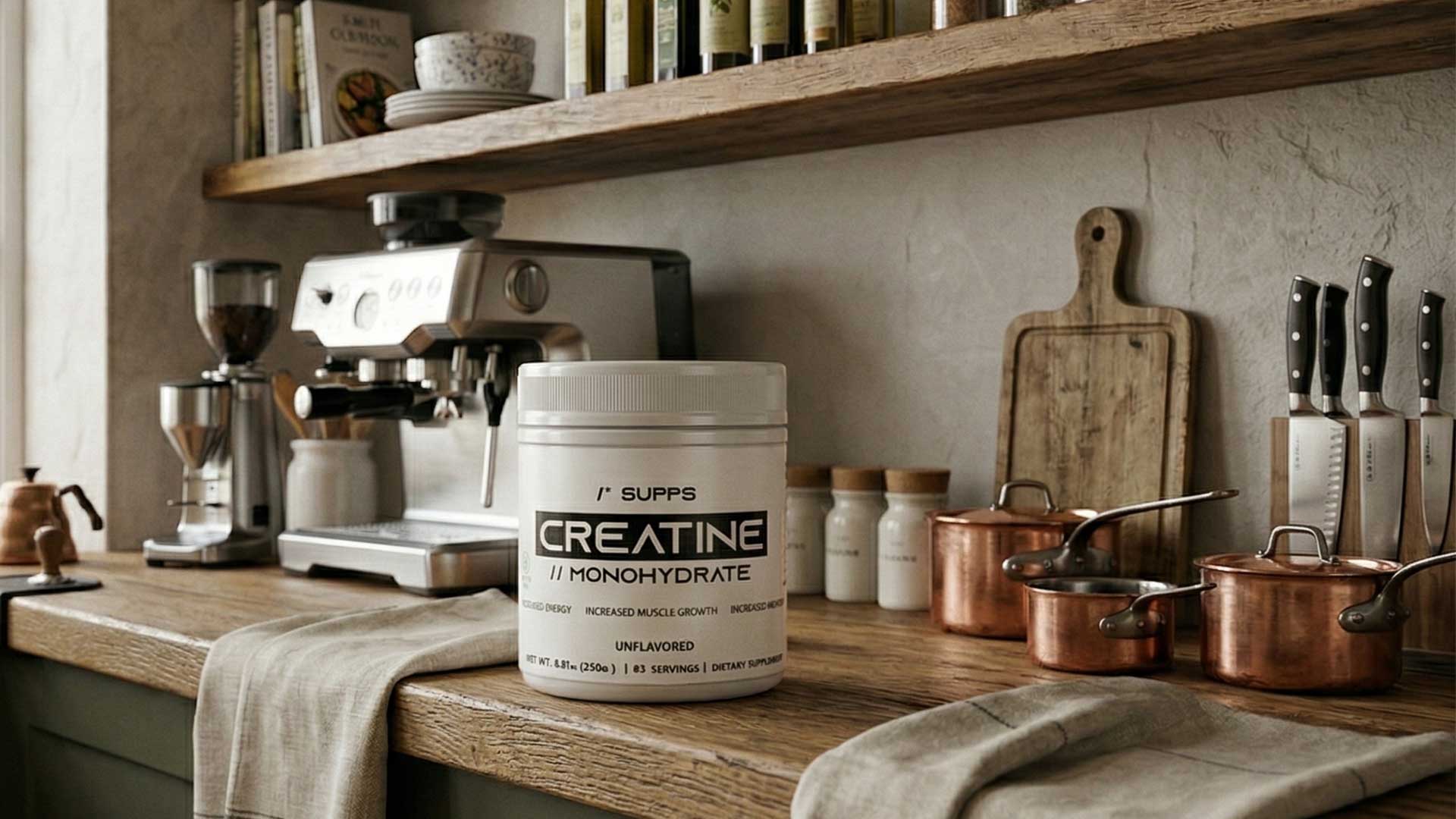
Creatine
If you’ve ever stepped into a gym, researched muscle gain, or tried to improve your strength and performance, you’ve definitely heard about creatine. But with so much misinformation floating around—“water retention,” “kidney damage,” “only for bodybuilders”—it’s easy to get confused. The truth? Creatine is one of the most researched, safest, and most effective supplements in the fitness world today.
Backed by decades of clinical studies, creatine is not just for athletes—it’s for anyone looking to improve strength, endurance, muscle recovery, and even brain performance. Whether you’re a beginner trying to build muscle, a fitness enthusiast optimizing performance, or someone exploring supplements for the first time, this guide will give you a clear, science-backed understanding of creatine.
What is Creatine
Creatine is a naturally occurring compound found in your body, primarily in muscle cells. It is made from three amino acids: arginine, glycine, and methionine. Around 95% of your body’s creatine is stored in muscles, while the remaining 5% is found in the brain, liver, and kidneys.
You also get small amounts of creatine from food sources such as:
- Red meat (beef, lamb)
- Fish (salmon, tuna)
However, the amount from diet alone is not enough to fully saturate your muscles, especially if you are vegetarian or vegan—common in India. That’s where creatine supplementation becomes highly effective.
In supplement form, creatine is most commonly available as Creatine Monohydrate, which is the most studied and proven version.
Scientific Explanation / How It Works
To understand creatine, you need to understand ATP (Adenosine Triphosphate)—your body’s primary energy currency.
The Energy Problem
When you perform high-intensity activities like:
- Weightlifting
- Sprinting
- HIIT workouts
Your body quickly uses ATP for energy. However, ATP stores get depleted within seconds.
Creatine’s Role
Creatine helps regenerate ATP rapidly.
- Creatine is stored in muscles as phosphocreatine.
- When ATP is used, it loses a phosphate and becomes ADP.
- Phosphocreatine donates a phosphate to ADP.
- ATP is regenerated → more energy available instantly.
Result:
- Increased strength output
- Better performance in short bursts
- Faster recovery between sets
Additionally, creatine also:
- Increases water content in muscle cells (cell volumization)
- Supports protein synthesis
- Enhances muscle repair mechanisms
Benefits of Creatine
- Increased Strength & Power – Helps lift heavier weights and perform more reps.
- Muscle Growth (Hypertrophy) – Promotes cell hydration and protein synthesis.
- Improved Workout Performance – Boosts high-intensity exercise capacity.
- Faster Recovery – Reduces muscle cell damage and inflammation.
- Enhanced Brain Function – Supports cognitive performance and focus.
- Better Endurance in Repeated Efforts – Useful for sports like cricket, football, MMA.
- Supports Vegetarians – Helps compensate for low dietary creatine intake.
Risks / Side Effects
Creatine is one of the safest supplements available when used correctly.
Common Myths vs Reality
- Myth: Creatine damages kidneys
Reality: No evidence in healthy individuals with proper dosage - Myth: Causes dehydration
Reality: Improves hydration inside muscle cells - Myth: Leads to fat gain
Reality: Weight gain is due to water + muscle, not fat
Possible Side Effects
- Bloating (during loading phase)
- Water retention
- Mild stomach discomfort
Precautions
- Drink 3–4 liters of water daily
- Avoid excessive dosage
- Consult a doctor if you have kidney issues
Who Should Use / Who Should Avoid
Who Should Use
- Gym beginners
- Intermediate & advanced lifters
- Athletes
- Vegetarians & vegans
- High-frequency trainers
Who Should Avoid
- People with kidney disease
- Under 18 (without supervision)
- Pregnant or breastfeeding women
Best Usage Guide (Dosage, Timing)
| Phase | Dosage | Duration | Notes |
|---|---|---|---|
| Loading Phase | 20g/day (4x5g) | 5–7 days | Optional |
| Maintenance | 3–5g/day | Ongoing | Standard approach |
| No Loading | 3–5g/day | 3–4 weeks | Slower saturation |
Best Practices:
- Take 3–5g daily
- Mix with water or juice
- Post-workout preferred (not mandatory)
- Stay consistent
Pro Tip: Combine creatine with whey protein and carbohydrates for better absorption.
Creatine vs Alternatives
| Feature | Creatine | BCAA | Pre-Workout |
|---|---|---|---|
| Main Purpose | Strength & power | Recovery | Energy |
| Scientific Backing | Strong | Moderate | Varies |
| Muscle Growth | High | Low | Indirect |
| Performance | High | Low | Medium |
| Cost Efficiency | Excellent | Expensive | Moderate |
FAQ
1. Is creatine safe for beginners?
Yes, it is safe when taken in recommended doses.
2. How long does creatine take to work?
5–7 days with loading, 3–4 weeks without loading.
3. Do I need to cycle creatine?
No, cycling is not required.
4. Does creatine cause hair loss?
No strong scientific evidence supports this.
5. Can I take creatine without working out?
Yes, but benefits are limited.
Conclusion
Creatine is a science-backed, effective supplement for improving strength, muscle growth, and performance. It is safe, affordable, and delivers consistent results when used correctly.
Action Plan:
- Start with 3–5g creatine daily
- Stay consistent
- Combine with proper training and nutrition
- Track your progress
Simple Rule: Train hard + take creatine + stay consistent = results.