
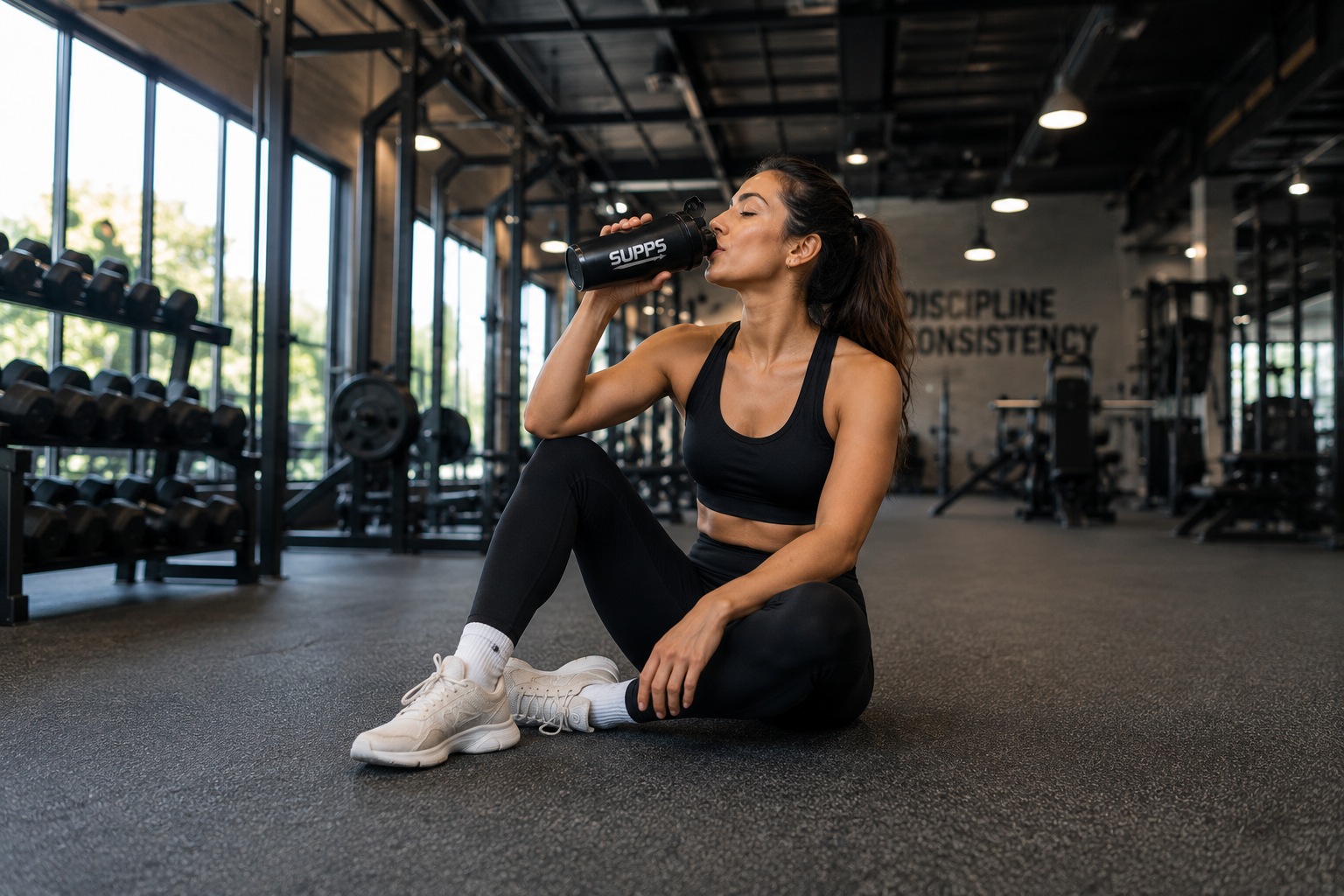
Is Whey Protein Safe for Women? The Science-Backed Truth Every Woman Should Know
For decades, whey protein has been wrongly labeled a "men's supplement," leaving countless women confused, hesitant, or completely avoiding one of the most studied nutritional supplements in modern science. The myths run deep: "It will make me bulky." "It causes hormonal imbalance." "It's bad for my kidneys." These misconceptions have stopped women from accessing a complete protein source that supports muscle recovery, weight management, hair health, and even hormonal balance during perimenopause and menopause.
The truth is rooted in research, not gym-floor folklore. Over 200 peer-reviewed studies have examined whey protein's effects on women specifically, and the evidence is overwhelmingly clear. This guide cuts through the noise with science, practical dosing, and honest answers — so you can make an informed decision based on facts, not fear. Whether you're an athlete, busy professional, postpartum mom, or woman over 40, this is the answer you've been searching for.
What Is Whey Protein and Why Women Need It
Whey protein is the liquid byproduct of cheese-making, filtered and dried into a powder containing all nine essential amino acids — the building blocks your body cannot produce on its own. It is the most bioavailable protein source available, meaning your body absorbs and uses it more efficiently than chicken, eggs, or plant-based alternatives.
For women, the stakes are higher than most realize. Women naturally have lower muscle mass than men and lose muscle faster after age 30 — a process called sarcopenia. Combined with hormonal fluctuations during menstruation, pregnancy, postpartum, and menopause, women have unique protein demands that are rarely met through diet alone. The average woman consumes only 46 grams of protein daily, far below the optimal 1.2–1.6g per kg of bodyweight needed for active women.
Whey protein comes in three primary forms:
- Whey Concentrate — 70–80% protein, contains some lactose and fat
- Whey Isolate — 90%+ protein, minimal lactose, ideal for sensitive stomachs
- Whey Hydrolysate — Pre-digested for fastest absorption, often used post-workout
For most women, especially those who experience bloating or have lactose sensitivity, a high-quality whey isolate like Erotes Isolate Whey offers the cleanest, most digestible option with maximum protein per serving.
Scientific Explanation: How Whey Protein Works in the Female Body
When you consume whey protein, your stomach breaks it down into individual amino acids — particularly leucine, the amino acid that triggers muscle protein synthesis (MPS). Research published in the American Journal of Clinical Nutrition shows that women require approximately 2.5g of leucine per meal to activate MPS, an amount easily achieved with a single 25g whey serving.
Once absorbed, whey protein influences the female body through four key biological pathways:
1. Muscle Protein Synthesis (MPS): Leucine activates the mTOR pathway, signaling your body to repair and rebuild muscle tissue. This is critical for women, as estrogen decline during menopause accelerates muscle loss.
2. Satiety Hormone Regulation: Whey stimulates the release of GLP-1, PYY, and CCK — hormones that signal fullness to the brain. Studies show women who consume whey protein report 25% less hunger throughout the day.
3. Insulin Sensitivity: Whey improves glucose metabolism and insulin response, particularly beneficial for women with PCOS or insulin resistance, conditions affecting nearly 1 in 10 women globally.
4. Glutathione Production: Whey is rich in cysteine, the precursor to glutathione — your body's master antioxidant. This supports immune function, skin health, and detoxification, especially important during hormonal transitions.
Importantly, whey protein does not contain testosterone, anabolic compounds, or hormones that would cause masculinization. The "bulky woman" myth is biologically impossible without the testosterone levels men naturally produce — levels 15–20 times higher than women.
Another often-overlooked mechanism is whey's effect on thyroid function and metabolism. The amino acid tyrosine, abundant in whey, is a direct precursor to thyroid hormones T3 and T4 — hormones that regulate metabolic rate. Women experience thyroid disorders at a rate 5–8 times higher than men, making this nutritional support particularly relevant. Adequate protein intake also supports the conversion of inactive T4 into active T3 in the liver, optimizing energy and metabolism.
Additionally, whey contains bioactive peptides like lactoferrin, immunoglobulins, and beta-lactoglobulin. These compounds modulate gut bacteria, support iron absorption (critical for menstruating women who lose 30–80mg of iron monthly), and reduce systemic inflammation — a known driver of weight gain, fatigue, and hormonal imbalance.
Benefits of Whey Protein for Women
The research-backed benefits of whey protein for women extend far beyond the gym. Here are the most significant advantages supported by clinical evidence:
- Accelerated Fat Loss Without Muscle Loss — A 2022 study in the Journal of Nutrition found women on a calorie deficit who consumed whey protein lost 6.1% more body fat while preserving lean muscle compared to those without supplementation. Use our body fat calculator to track your progress accurately.
- Improved Hair, Skin, and Nail Health — Whey contains high levels of cysteine and biotin precursors, essential for keratin production. Women report visibly stronger nails and reduced hair shedding within 8–12 weeks of consistent use.
- Better Hormonal Balance During PMS and Menopause — Whey's amino acid profile supports neurotransmitter production (serotonin, dopamine), reducing mood swings and supporting bone density when estrogen declines.
- Stronger Bones and Reduced Osteoporosis Risk — Contrary to outdated myths, high-protein diets increase bone mineral density. Whey specifically provides calcium, lactoferrin, and bioactive peptides that protect against bone loss after age 35.
- Enhanced Recovery and Reduced Soreness — Post-workout whey consumption reduces delayed-onset muscle soreness (DOMS) by up to 40%, allowing more consistent training and faster results.
- Stable Blood Sugar and Reduced Cravings — Whey blunts post-meal glucose spikes by 30–40%, making it especially beneficial for women with PCOS, insulin resistance, or weight management goals.
- Immune System Support — Immunoglobulins and lactoferrin in whey strengthen immune defense, which is particularly valuable during high-stress periods or postpartum recovery.
Risks and Side Effects: What Women Should Watch For
While whey protein is safe for the vast majority of women, no supplement is universally perfect. Understanding potential side effects helps you use it wisely:
Digestive Discomfort: The most common complaint is bloating, gas, or cramping — typically caused by lactose in whey concentrate. Switching to whey isolate or hydrolysate eliminates this issue for 90% of sensitive women.
Acne Flare-Ups: Whey can elevate IGF-1 (insulin-like growth factor) in some women, potentially worsening hormonal acne. If you're acne-prone, opt for grass-fed whey isolate and avoid products with added sugars or artificial sweeteners.
Allergic Reactions: True whey allergy is rare but possible. Symptoms include hives, swelling, or difficulty breathing — discontinue immediately and consult a doctor.
Kidney Concerns (Mostly Myth): The widespread fear that whey damages kidneys applies only to women with pre-existing kidney disease. Multiple long-term studies confirm high-protein intake poses no risk to healthy kidneys.
Quality Contamination: Cheap whey products may contain heavy metals, fillers, or banned substances. Always choose third-party tested brands with transparent sourcing.
Who Should Use Whey Protein and Who Should Avoid It
Whey protein is ideal for:
- Active women training 2+ times per week
- Women in calorie deficits trying to preserve muscle
- Postpartum mothers needing concentrated nutrition
- Women over 35 fighting age-related muscle loss
- Vegetarians struggling to meet protein targets
- Women with PCOS managing insulin resistance
- Busy professionals needing convenient nutrition
Women who should avoid or consult a doctor first:
- Those with diagnosed dairy allergies (use plant protein instead)
- Women with chronic kidney disease (CKD)
- Severe lactose intolerance (try whey isolate cautiously)
- Women with galactosemia (a rare metabolic disorder)
- Anyone on protein-restricted medical diets
Pregnant and breastfeeding women can safely consume whey protein from clean sources, but should always consult their OB-GYN to ensure it fits their specific nutritional plan.
Best Usage Guide: Dosage and Timing for Women
Effective whey protein use isn't about consuming more — it's about consuming it strategically. Here's the science-backed framework:
Optimal Daily Dosage:
- Sedentary women: 0.8–1.0g protein per kg bodyweight
- Active/training women: 1.2–1.6g per kg bodyweight
- Women cutting fat: 1.6–2.0g per kg bodyweight
- Women over 50: 1.2–1.5g per kg bodyweight (to combat sarcopenia)
Most women benefit from 1–2 scoops daily (25–50g whey protein), supplementing whole-food protein sources rather than replacing them.
Best Timing:
Post-Workout (within 60 minutes): Maximizes muscle protein synthesis when muscles are most receptive. This is the highest-impact window for active women.
Morning: Helps hit your daily protein target early and reduces sugar cravings throughout the day. Especially useful if breakfast is typically carb-heavy.
Between Meals: A whey shake as a snack stabilizes blood sugar, controls hunger, and prevents overeating at the next meal.
Before Bed (Optional): A slow-digesting protein like casein is technically better at night, but whey still supports overnight recovery if it fits your schedule.
Always pair whey with adequate water (3–4 liters daily) and a balanced diet rich in vegetables, healthy fats, and complex carbs.
Comparison Table: Whey Protein vs Plant Protein vs Casein
| Feature | Whey Protein (Isolate) | Plant Protein (Pea/Soy) | Casein Protein |
|---|---|---|---|
| Protein Per Serving | 25–27g | 20–24g | 24g |
| Absorption Speed | Fast (1–2 hours) | Moderate (3–4 hours) | Slow (6–8 hours) |
| Complete Amino Profile | Yes | Varies (blends needed) | Yes |
| Leucine Content | 2.5–3g (highest) | 1.5–2g | 2.0–2.3g |
| Lactose Content | Minimal | None | Low–Moderate |
| Best For | Post-workout, fat loss | Vegans, dairy-allergic | Nighttime, sustained release |
| Taste & Mixability | Excellent | Earthy, gritty | Thick, chalky |
| Average Cost | Moderate | Higher | Moderate |
For most active women, whey isolate offers the best combination of speed, completeness, and digestibility. Plant proteins are excellent alternatives for vegan or dairy-sensitive women, while casein works well as a secondary protein for nighttime use.
Frequently Asked Questions (FAQ)
Q1: Will whey protein make me look bulky or masculine?
No. Building visible muscle bulk requires high testosterone levels — which women produce at only 5–10% of male levels. Whey protein helps you build a lean, toned, athletic physique, not a bodybuilder's frame. Bulky physiques in women require years of intense training, surplus calories, and often performance-enhancing drugs.
Q2: Can I take whey protein during my period or while on hormonal birth control?
Yes, whey protein is safe during menstruation and while using hormonal contraceptives. It does not interfere with hormone medications and may actually help reduce PMS symptoms by supporting stable blood sugar and neurotransmitter production.
Q3: Will whey protein cause weight gain?
Whey protein itself does not cause weight gain — excess calories do. Whey is highly satiating and supports fat loss when consumed within your daily calorie target. Adding it to an already excessive diet, however, can contribute to weight gain like any food.
Q4: Is whey protein safe to take long-term?
Yes. Long-term studies spanning 12+ months show no adverse effects in healthy women consuming whey protein daily. As long as you choose a clean, third-party tested product and stay within recommended dosages, daily use is safe and beneficial.
Q5: Can teenage girls or women over 60 take whey protein?
Both groups can benefit significantly. Teenage girls (with parental guidance) use whey to support growth and athletic performance. Women over 60 benefit even more, as protein needs increase with age to combat muscle loss, frailty, and bone density decline. Always consult a healthcare provider for personalized guidance.
Q6: Does whey protein affect fertility or worsen PCOS symptoms?
Whey protein does not negatively impact fertility. In fact, research suggests it may improve PCOS symptoms by enhancing insulin sensitivity, reducing androgen levels, and supporting weight management — three critical factors in PCOS treatment. Choose unsweetened or stevia-sweetened versions to avoid blood sugar spikes that can worsen hormonal imbalances.
Conclusion: Your Action Plan Starts Today
The question "is whey protein safe for women" has a clear, science-backed answer: yes, for the vast majority of healthy women, whey protein is not only safe but genuinely transformative. It supports fat loss, muscle preservation, hormonal balance, stronger bones, healthier hair, and better recovery — benefits that compound over months and years of consistent use.
The myths that have kept women away from whey protein for decades are exactly that — myths. The science is unambiguous, the safety profile is excellent, and the practical benefits are too significant to ignore, especially for women navigating busy schedules, hormonal transitions, or fitness goals.
Your next steps:
- Calculate your daily protein need (1.2–1.6g per kg bodyweight if active)
- Choose a high-quality whey isolate from a reputable, third-party tested brand like Erotes Isolate Whey
- Track your body composition progress using a reliable body fat calculator
- Start with 1 scoop post-workout or in the morning, and adjust based on your results
- Stay consistent for at least 8–12 weeks before evaluating outcomes
You don't need to fear whey protein — you need to use it intelligently. Make it part of a balanced lifestyle, listen to your body, and let the science work for you. Your stronger, healthier, more energetic self is just one informed decision away.