
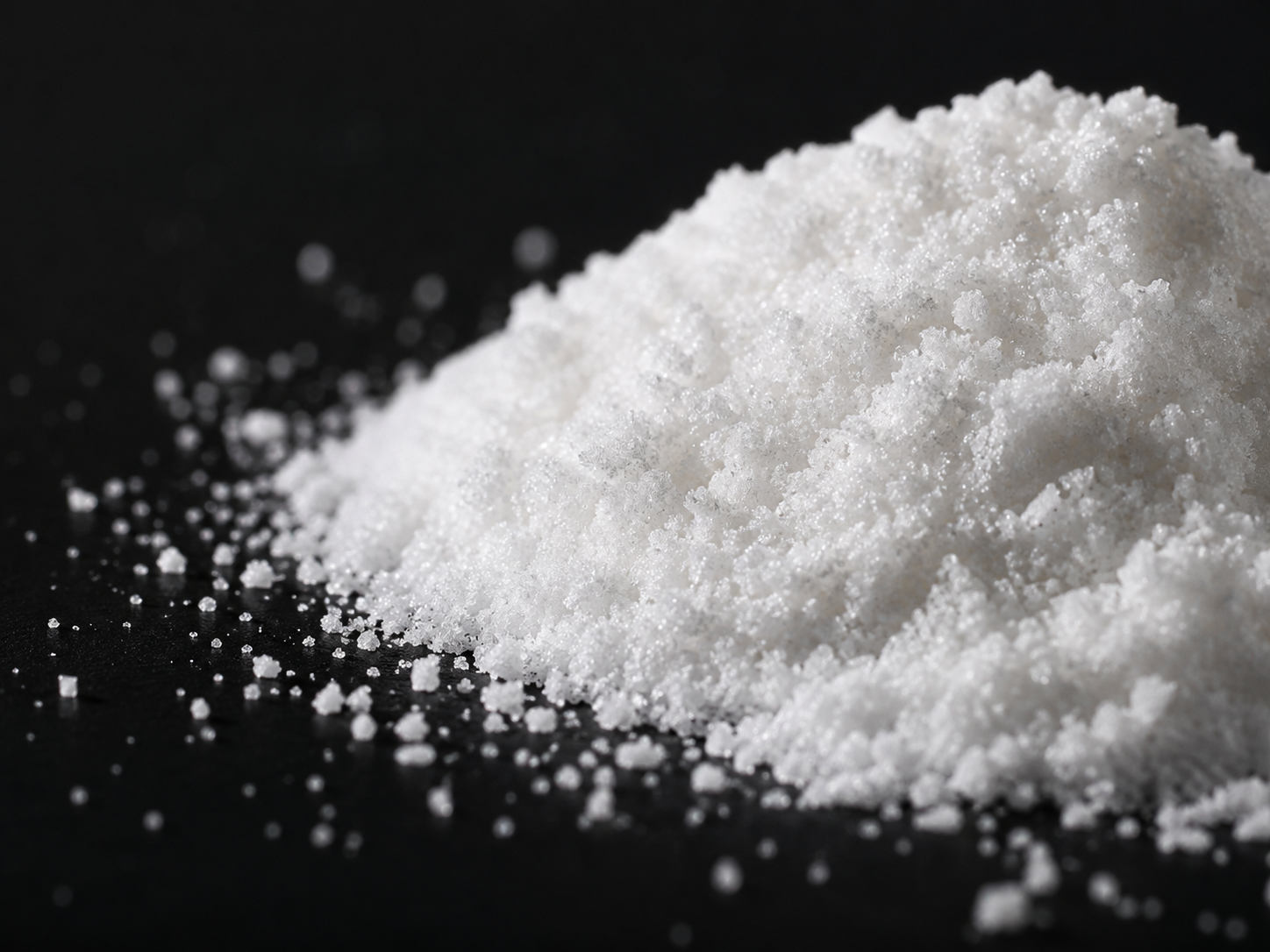
Normal Creatine Monohydrate vs Creapure Monohydrate: Which One Is Actually Worth Your Money?
Walk into any supplement store in India — or scroll through any fitness marketplace — and you will find dozens of creatine monohydrate products sitting side by side. Some are priced at ₹400 for 250 g; others push ₹3,000 for the same quantity just because the label says Creapure. If you have ever stared at both jars wondering whether the price gap is backed by science or just clever marketing, you are not alone. Creatine is one of the most researched sports supplements in history — over 700 peer-reviewed studies support its safety and efficacy. But not all creatine powders are manufactured to the same purity standard. This evidence-based guide breaks down the real differences so you can make an informed choice.
Normal Creatine Monohydrate vs Creapure: What Is the Actual Difference?
Both products are chemically identical: creatine monohydrate (C4H9N3O2 · H2O). The molecule your muscle cell absorbs is the same whether it came from a budget tub or a Creapure-certified bag. The difference lies in the manufacturing process and the resulting purity level.
Standard / Generic Creatine Monohydrate is synthesised globally — China produces the vast majority of the world's supply — through a chemical reaction involving sarcosine and cyanamide. Quality varies significantly between factories. Independent lab tests have occasionally detected low levels of contaminants such as dicyandiamide (DCD), dihydrotriazine (DHT), and creatinine in lower-grade batches. These impurities are not acutely dangerous, but they can reduce effective creatine content and cause digestive discomfort in sensitive individuals.
Creapure is a registered trademark of AlzChem Trostberg GmbH, a German company. It is manufactured in Germany under pharmaceutical-grade GMP conditions and is independently verified to contain ≥99.95% pure creatine monohydrate. Every batch is tested for DCD, DHT, creatinine, and heavy metals before leaving the facility. Brands that use Creapure pay a licensing fee, which is the main reason for the higher retail price.
Bottom line: The active molecule is identical. The gap is in third-party verified purity, manufacturing oversight, and batch consistency — not in a fundamentally different ingredient.
👉 Looking for a trusted, high-purity creatine option? Check out Supps Creatine on HereMySupps — lab-tested and formulated for serious athletes.
How Creatine Monohydrate Works: The Science Behind the Supplement
Your body naturally produces about 1–2 g of creatine per day from the amino acids arginine, glycine, and methionine. It is stored primarily in skeletal muscle (≈95%) as free creatine and phosphocreatine (PCr). During explosive, high-intensity activity — sprinting, heavy lifting, HIIT — ATP (adenosine triphosphate) is rapidly depleted. PCr donates its phosphate group to ADP, regenerating ATP within milliseconds. This is the phosphagen system, and it powers the first 8–12 seconds of maximal effort.
Supplementing with creatine monohydrate increases total muscle creatine stores by approximately 20–40% above baseline. More PCr means faster ATP regeneration, which directly translates to more reps at a given weight, faster sprint times, and reduced fatigue during repeated bouts of effort. Over weeks of training, this leads to measurably greater strength and muscle hypertrophy gains compared to placebo — an effect confirmed across meta-analyses involving thousands of subjects.
Creatine also draws water into muscle cells (intracellular hydration), which may stimulate protein synthesis pathways and contribute to the modest body-weight increase (1–2 kg) most users notice in the first two weeks. This is water weight stored in muscle tissue — not subcutaneous fat or bloat.
Whether you use generic pure creatine or Creapure, these mechanisms are identical, provided the purity of your product is adequate.
Evidence-Based Benefits of Creatine Monohydrate
- Increased strength and power output: Multiple meta-analyses show supplementation increases one-rep max and maximal power output by 5–15% compared to placebo over 4–12 weeks of resistance training.
- Greater muscle hypertrophy: By enabling higher training volume, creatine indirectly accelerates lean muscle gain. Studies consistently show 1–2 kg additional lean mass gains over 4–12 week periods versus placebo.
- Improved high-intensity endurance: Athletes performing repeated sprints or HIIT bouts maintain performance longer due to faster PCr resynthesis between efforts.
- Faster post-exercise recovery: Evidence suggests creatine reduces muscle cell damage markers (CK, LDH) after eccentric exercise, potentially shortening recovery time between sessions.
- Cognitive and neurological support: Emerging research indicates creatine supplementation improves short-term memory and processing speed, particularly under conditions of sleep deprivation or mental fatigue. This benefit is relevant to students and working professionals as well as athletes.
- Bone and joint health: Some studies suggest creatine may support bone mineral density and reduce sarcopenia risk in older adults when combined with resistance training.
- Safe for long-term use: Studies spanning up to 5 years find no adverse effects on kidney or liver function in healthy individuals consuming recommended doses.
Risks and Side Effects: What the Research Actually Says
Creatine monohydrate has an exceptional safety profile when used correctly. However, certain effects are worth noting:
Water retention and weight gain: A 1–3 kg increase in body weight is common in the first 1–2 weeks due to intramuscular water retention. This is not fat gain and is generally desirable for strength athletes.
Gastrointestinal discomfort: Some users experience bloating, cramping, or loose stools, especially during a loading phase or if taken on an empty stomach. Lower-purity batches with higher contaminant levels are more likely to cause GI issues. Splitting your dose or switching to a higher-purity product like Creapure typically resolves this.
Serum creatinine elevation: Creatine supplementation increases serum creatinine — a byproduct of creatine metabolism — which can falsely flag as impaired kidney function in blood tests. Inform your physician if you supplement. Actual kidney damage from creatine in healthy individuals has not been demonstrated in peer-reviewed literature.
Who should be cautious: Individuals with pre-existing kidney disease, those on nephrotoxic medications, or anyone with a diagnosed metabolic disorder should consult a physician before supplementing. Pregnant or breastfeeding individuals should avoid creatine supplementation until more safety data exists for these populations.
Who Should Use Creatine — and Who Should Avoid It
Ideal candidates for creatine supplementation:
- Resistance trainers and bodybuilders aiming for maximal strength and hypertrophy gains.
- Sprint athletes, footballers, wrestlers, and combat sports athletes who rely on explosive power.
- Vegetarians and vegans, who consume minimal dietary creatine and show the largest response to supplementation.
- Older adults (40+) looking to preserve muscle mass and strength with resistance training.
- Students and knowledge workers seeking cognitive performance support during high-stress periods.
Who should avoid or consult a doctor first:
- Individuals with chronic kidney disease or a single functioning kidney.
- Anyone on diuretics or medications that affect kidney function.
- Those with rare metabolic conditions such as guanidinoacetate methyltransferase (GAMT) deficiency — though creatine is actually used therapeutically in some such cases under medical supervision.
- Children and adolescents below 18 years without medical oversight.
Best Usage Guide: Dosage, Timing, and Cycling
Research supports two primary loading strategies. Choose based on how quickly you want to saturate your muscle creatine stores:
| Protocol | Phase | Daily Dose | Duration | Best For |
|---|---|---|---|---|
| Loading + Maintenance | Loading | 20 g/day (4 × 5 g doses) | 5–7 days | Athletes wanting rapid saturation before competition |
| Maintenance | 3–5 g/day | Ongoing | Sustaining saturated muscle stores | |
| Low-Dose Daily | Single phase | 3–5 g/day | 4–6 weeks to saturate | Beginners, those with GI sensitivity, budget-conscious users |
| Older Adults (50+) | Single phase | 5 g/day | Ongoing | Muscle preservation and cognitive support |
Timing tips:
- Post-workout with a carbohydrate + protein meal shows a marginal advantage in some studies for uptake, but overall daily consistency matters far more than precise timing.
- Take with water or a carb-containing drink. Insulin elevation post-carb intake may enhance creatine transport into muscle cells.
- Cycling is unnecessary. There is no evidence that cycling creatine off-and-on provides any benefit. Continuous daily use is safe and effective.
- Stay hydrated. Creatine increases intracellular water demand. Aim for 3–4 litres of water per day, especially in India's warmer climate.
👉 Ready to start supplementing? Shop Supps Creatine — high-purity creatine monohydrate with transparent lab testing and no proprietary blends.
Comparison Table: Normal Creatine vs Creapure vs Other Forms
| Feature | Generic Creatine Monohydrate | Creapure® Monohydrate | Creatine HCl | Buffered Creatine (Kre-Alkalyn) |
|---|---|---|---|---|
| Purity level | Varies (90–99%) | ≥99.95% (verified) | ~98% (varies) | ~98% (varies) |
| Research backing | Extensive (700+ studies) | Extensive (same molecule) | Limited | Very limited |
| Effective dose | 3–5 g/day | 3–5 g/day | 1–2 g/day (claimed) | 1.5–3 g/day (claimed) |
| Solubility | Moderate | High (fine particle size) | High | Moderate |
| GI tolerance | Variable (purity-dependent) | Excellent | Generally good | Generally good |
| Third-party tested | Depends on brand | Yes — always | Depends on brand | Depends on brand |
| Cost per serving (India) | ₹4–₹10/serving | ₹15–₹30/serving | ₹20–₹40/serving | ₹25–₹50/serving |
| Pros | Affordable, widely available | Maximum purity, batch consistency, GI-friendly | Small dose volume, high solubility | Marketed as non-bloating |
| Cons | Quality varies by manufacturer; some batches contain trace contaminants | Higher price; premium often passed to consumer | Minimal direct human trials; expensive per gram of actual creatine | Claims not well-supported by independent research; most costly per gram |
Frequently Asked Questions (FAQ)
1. Is Creapure actually better than generic creatine monohydrate?
Biologically, the creatine molecule is identical. Creapure offers verified ≥99.95% purity, better batch consistency, and superior GI tolerance for sensitive users. If your generic creatine is from a reputable brand with third-party testing, the performance difference will be negligible. The choice comes down to how much you value verified purity versus price.
2. Does where creatine is manufactured (Germany vs China) determine its quality?
Country of origin alone does not determine quality. What matters is the manufacturer's GMP certification, independent lab testing, and purity verification. Many Chinese facilities produce pharmaceutical-grade creatine that meets international standards. Conversely, not every German product is automatically superior. Always look for third-party Certificates of Analysis (CoA) — not just the country of origin printed on the label.
3. Will creatine damage my kidneys?
No — in healthy individuals. Decades of clinical research, including long-term studies, have found no evidence of kidney damage from creatine supplementation at recommended doses. Creatine does elevate serum creatinine (a normal metabolic byproduct), which can be mistaken for kidney stress in blood tests. If you have existing kidney disease, consult a physician before supplementing.
4. Do I need to do a loading phase?
No. Loading (20 g/day for 5–7 days) saturates muscle creatine stores faster, but you arrive at the same endpoint with a daily 3–5 g dose after 4–6 weeks. Loading causes more GI discomfort in some users. For most people, a daily maintenance dose without loading is equally effective and more comfortable.
5. Can vegetarians and vegans benefit more from creatine?
Yes — significantly. Plant-based diets contain virtually no dietary creatine, so baseline muscle creatine stores in vegetarians and vegans are approximately 20–30% lower than in omnivores. This means they respond more dramatically to supplementation and see larger improvements in strength, power, and cognitive performance compared to meat-eaters with already-elevated baseline levels.
Conclusion: Purity and Quality Matter — Not the Country of Production
After reviewing the evidence, the conclusion is clear: creatine monohydrate remains the gold standard supplement for strength, power, and muscle gain — regardless of whether it carries the Creapure badge or not.
What actually matters is purity and quality. A well-manufactured, third-party tested generic creatine from a reputable brand can perform identically to Creapure in the gym. Creapure's advantage is its guaranteed ≥99.95% purity, pharmaceutical-grade manufacturing oversight, and the peace of mind that comes with consistent, independently verified batches. It is a premium for certainty — not for a fundamentally different ingredient.
The country of manufacture — Germany, China, the USA, or anywhere else — is irrelevant if the manufacturer follows rigorous GMP protocols and provides transparent, independent CoA documentation. A German label does not automatically mean superior creatine. A Chinese-sourced creatine from a brand that publishes third-party lab results can be every bit as clean and effective.
Actionable takeaway: Choose a pure creatine monohydrate product from a brand that publishes its Certificate of Analysis, uses GMP-certified manufacturing, and clearly lists creatine monohydrate as the sole active ingredient. Take 3–5 g daily, stay hydrated, stay consistent, and trust the process. The science has already done the hard work — creatine is one of the very few supplements that genuinely delivers what it promises.
👉 Get Supps Creatine from HereMySupps — transparent sourcing, lab-verified purity, and formulated for Indian athletes who train hard and demand results.