
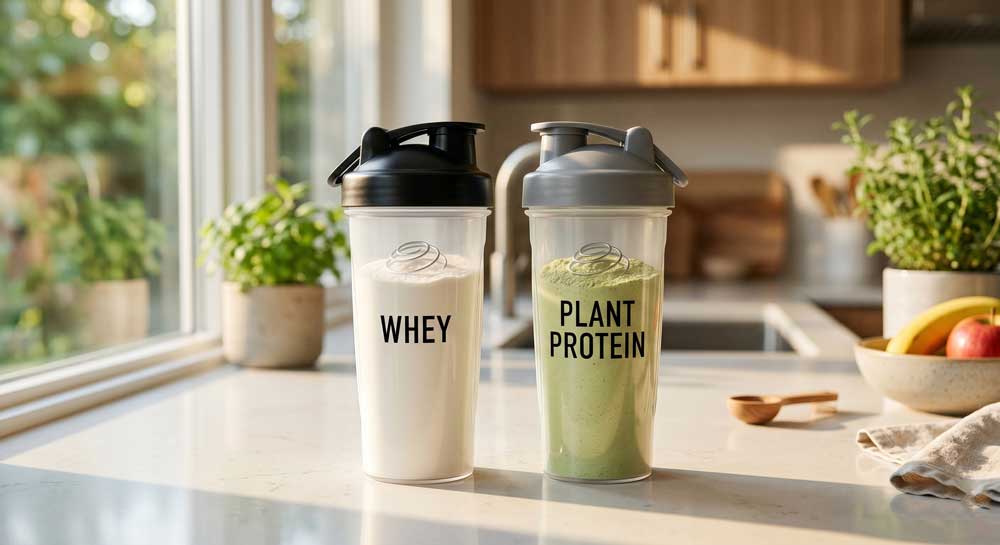
The Ultimate Guide: Plant Protein vs Whey for Optimal Muscle Growth
In the rapidly expanding Indian fitness landscape, achieving the daily optimal protein intake remains one of the most significant dietary challenges. With traditional diets often skewed heavily toward carbohydrates and fats, supplementation is no longer a luxury—it is a physiological necessity for muscle hypertrophy, recovery, and overall metabolic health. But when it comes to selecting a supplement, the debate is relentless: plant protein vs whey. Which one actually delivers superior biochemical results?
This is not a matter of marketing hype; it is a question of amino acid profiles, digestion kinetics, and bioavailability. Whether you are a competitive athlete or an everyday fitness enthusiast looking to optimize body composition, understanding the molecular differences between these two protein sources is critical. This comprehensive, evidence-based guide breaks down the science, head-to-head benefits, risks, and precise usage protocols to help you make the definitive choice for your nutritional arsenal.
What is Plant Protein vs Whey?
To make an informed decision, we must first examine the origin and extraction processes of both supplements. The fundamental difference lies in their biological sourcing and the subsequent amino acid structures they provide to the human body.
Understanding Whey Protein
Whey is an animal-based protein derived from cow's milk during the cheese-making process. Milk contains two primary types of protein: casein (about 80%) and whey (about 20%). When enzymes are added to milk, the milk curdles, separating the solid curds (casein) from the liquid whey. This liquid is then microfiltered, refined, and spray-dried to create protein powder.
Whey is prized in sports nutrition because it is a "complete" protein, meaning it contains all nine essential amino acids (EAAs) that the human body cannot synthesize on its own. Furthermore, it undergoes various levels of processing to yield different purities. While whey concentrate contains trace amounts of fats and lactose, advanced filtration creates isolate whey, a premium tier of protein that strips away almost all lactose and fat, delivering upwards of 90% pure protein per scoop.
Understanding Plant Protein
Plant protein is derived from botanical sources. Because very few single plant sources (like soy or quinoa) contain a complete and balanced amino acid profile, high-quality plant protein powders are typically formulated as blends. The most common and scientifically effective combination is a blend of pea protein and brown rice protein.
Pea protein is rich in lysine but deficient in methionine, while brown rice protein is high in methionine but low in lysine. By combining them, manufacturers create a complete amino acid profile that closely mimics the biological value of animal proteins. Other sources frequently added to these blends include hemp, chia, and pumpkin seeds, which introduce additional dietary fiber, omega fatty acids, and essential minerals.
Scientific Explanation: How It Works in the Body
The efficacy of any protein source is dictated by its behavior once it enters your gastrointestinal tract. The metrics that matter most are Muscle Protein Synthesis (MPS) activation, the Leucine threshold, and overall bioavailability (measured by PDCAAS and DIAAS scores).
1. The Leucine Threshold and mTOR Activation
Muscle growth is not triggered simply by consuming protein; it is triggered by consuming a specific amount of the amino acid Leucine. Leucine acts as a molecular switch that activates the mammalian target of rapamycin (mTOR) pathway, the primary driver of muscle protein synthesis.
Scientific literature suggests that reaching a threshold of roughly 2.5 to 3 grams of leucine in a single sitting is required to maximize MPS. Whey protein is naturally exceptionally dense in leucine, typically containing about 10-11% leucine by weight. A standard 25g scoop of whey easily surpasses the leucine threshold. Plant proteins, on average, contain about 6-8% leucine. Therefore, to achieve the exact same anabolic response (mTOR activation) as whey, a user must consume a slightly larger dose of plant protein to bridge the leucine gap.
2. Digestion Kinetics and Bioavailability
Whey is a fast-digesting protein. Once consumed, it rapidly empties from the stomach and floods the bloodstream with amino acids within 45 to 90 minutes. This rapid hyperaminoacidemia makes it the undisputed champion for post-workout recovery when the body is primed to repair micro-tears in muscle tissue.
Plant proteins, conversely, are digested at a slower to moderate rate. The presence of naturally occurring fibers and plant matrix structures means the amino acids are released more gradually into the bloodstream. While this is less optimal for immediate post-workout nutrient timing, it is highly advantageous for sustained amino acid delivery, promoting satiety and preventing muscle breakdown during prolonged periods of fasting or between large meals.
When looking at the Protein Digestibility-Corrected Amino Acid Score (PDCAAS), whey consistently scores a perfect 1.0. Most high-quality plant blends score between 0.85 and 0.95, indicating excellent, though slightly lower, overall absorption efficiency.
Head-to-Head Benefits
The Benefits of Whey Protein
- Unmatched Anabolic Response: Due to its high concentration of branched-chain amino acids (BCAAs), specifically leucine, whey provides the most potent stimulus for muscle protein synthesis per gram of powder.
- Rapid Absorption Rate: Its fast-acting digestion profile makes it the ultimate post-workout recovery tool, shuttling vital nutrients to damaged muscle fibers exactly when they are needed most.
- Immune System Support: High-quality whey contains bioactive peptides and immunoglobulins, such as lactoferrin and beta-lactoglobulin, which support immune function and possess antioxidant properties by boosting cellular glutathione levels. You can read a deeper dive into the benefits of whey protein here.
- Cost-Effectiveness: Gram for gram, standard whey protein often remains one of the most cost-effective ways to increase daily protein intake compared to complex plant blends or whole foods.
- Satiety and Weight Management: Despite digesting quickly, whey is highly satiating. It effectively suppresses the hunger hormone ghrelin, making it a valuable tool for individuals on calorie-restricted cutting diets.
The Benefits of Plant Protein
- Zero Dairy and Lactose-Free: For the massive segment of the Indian population dealing with varying degrees of lactose intolerance or dairy sensitivity, plant protein offers a zero-compromise solution without gastrointestinal distress.
- Rich in Micronutrients and Phytonutrients: Plant powders naturally retain trace minerals like iron, zinc, and magnesium, along with antioxidant phytonutrients that combat systemic inflammation.
- Environmental Sustainability: The carbon footprint and water usage required to produce pea or rice protein are significantly lower than the resources required for dairy farming, making it an eco-conscious choice.
- Hypoallergenic Properties: High-quality blends that exclude soy and gluten are generally very well tolerated, making them safe for individuals with severe food allergies.
- Gut Health Support: The trace amounts of fiber present in plant protein powders can act as prebiotics, feeding beneficial gut bacteria and supporting overall microbiome health, leading to better long-term nutrient partitioning.
Risks and Side Effects
No supplement is without potential drawbacks. Understanding these allows you to mitigate risks through proper selection and dosage.
Potential Risks of Whey
The primary issue with whey protein stems from dairy sensitivities. Whey concentrate contains lactose, which can cause severe bloating, flatulence, cramps, and diarrhea in lactose-intolerant individuals. Additionally, some users report an increase in acne breakouts, as dairy can stimulate insulin-like growth factor 1 (IGF-1), which increases sebum production. However, these issues are almost entirely mitigated by switching to a high-purity isolate whey, which has the lactose and fat meticulously filtered out.
Potential Risks of Plant Protein
The main risk with plant proteins is an incomplete amino acid profile if you purchase a low-quality, single-source powder (like plain rice protein). To build muscle effectively, you must ensure you are using a formulated blend. Additionally, plant proteins contain anti-nutrients like phytic acid, which can slightly inhibit the absorption of certain minerals. Texture is also a common complaint; plant proteins can be gritty or chalky compared to the smooth, milkshake-like consistency of whey. Lastly, cheaper plant proteins have historically faced scrutiny regarding trace heavy metal content drawn from the soil, making it imperative to buy from brands that mandate rigorous third-party lab testing.
Who Should Use Which?
You Should Choose Whey Protein If:
- Your primary, singular goal is maximizing muscle hypertrophy and athletic performance.
- You want the fastest possible post-workout recovery.
- You have no issues digesting dairy or lactose.
- You prefer a smooth, thin consistency and a wider variety of dessert-like flavors.
You Should Choose Plant Protein If:
- You follow a strict vegan or plant-based lifestyle.
- You experience bloating, gas, or acne when consuming dairy products.
- You prefer supplements that are environmentally sustainable.
- You want an added boost of dietary fiber and natural micronutrients alongside your protein.
Best Usage Guide: Dosage & Timing
To maximize the biochemical advantages of your chosen supplement, timing and dosage must be aligned with your circadian rhythm and training schedule. Below is a definitive usage chart.
| Timing / Goal | Recommended Protein Type | Optimal Dosage | Rationale |
|---|---|---|---|
| Post-Workout (Within 60 mins) | Isolate Whey (Preferred) or Plant Blend | 25g - 30g | Rapid absorption is required to spike blood amino acid levels, activating mTOR and initiating immediate muscle repair. |
| Breakfast / Morning | Plant Protein or Whey Concentrate | 20g - 25g | Breaks the overnight fast. Plant protein provides a steady release and added fiber to control morning blood sugar spikes. |
| Between Meals (Snack) | Plant Protein | 20g | The slower digestion rate of plant protein promotes satiety, curbing hunger and preventing muscle catabolism. |
| Pre-Bedtime | Casein or Plant Protein | 30g | Slow-digesting proteins provide a sustained drip of amino acids overnight, supporting prolonged recovery while you sleep. |
Comparison Table: Head-to-Head Analysis
To provide a clear, objective overview, here is how the top three protein categories compare across critical performance and lifestyle metrics.
| Feature Metric | Isolate Whey | Plant Protein Blend | Micellar Casein |
|---|---|---|---|
| Source | Dairy (Milk) | Botanical (Pea, Rice, etc.) | Dairy (Milk) |
| Digestion Rate | Very Fast (30-60 mins) | Moderate (2-3 hours) | Very Slow (5-7 hours) |
| Leucine Content | Very High (Approx. 11%) | Moderate/High (Approx. 8%) | High (Approx. 9%) |
| Lactose Presence | Negligible (Filtered out) | Zero | Low to Moderate |
| Best Use Case | Immediate Post-Workout | Anytime, Dairy-Free Diet | Pre-Bedtime Fasting |
| Pros | Highest bioavailability, perfect amino profile, rapidly absorbed. | Sustainable, hypoallergenic, fiber-rich, gut-friendly. | Anti-catabolic, highly satiating, overnight recovery. |
| Cons | Can trigger dairy allergies; lacks fiber. | Requires larger dose for max MPS; earthier taste. | Too slow for post-workout; thick texture. |
Frequently Asked Questions (FAQ)
1. Can you build just as much muscle with plant protein vs whey?
Yes. Current scientific literature demonstrates that if total daily protein intake is equated, and the plant protein used is a high-quality blend that hits the requisite leucine threshold, muscle hypertrophy outcomes are statistically identical between plant and whey users.
2. Which protein is better for weight loss and cutting?
Both are highly effective, but they work slightly differently. Whey is excellent because it aggressively suppresses ghrelin (the hunger hormone) while being very low in calories. Plant protein is effective because its fiber content slows gastric emptying, keeping you feeling physically full for longer periods.
3. Does whey protein cause acne?
In susceptible individuals, standard whey concentrate can exacerbate acne due to its effect on insulin and IGF-1 levels. If you are acne-prone but still want the benefits of dairy protein, switching to a highly refined isolate whey significantly reduces this risk by removing the specific dairy fats and sugars that trigger breakouts.
4. What is the difference between standard whey and isolate whey?
Whey concentrate is roughly 70-80% protein, leaving the remaining percentage as carbohydrates (lactose) and fats. Isolate whey undergoes an intense microfiltration process that strips away the fats and lactose, resulting in a product that is 90% or more pure protein. Isolate digests faster and is much easier on the stomach.
5. Is it safe to consume protein powder every single day in India?
Absolutely. Protein powder is simply isolated food. Given that the traditional Indian diet often falls short of the optimal 1.6g - 2.2g of protein per kilogram of body weight required for active individuals, daily supplementation is a safe, effective, and often necessary strategy to bridge the nutritional gap.
Conclusion: The Final Verdict
The debate of plant protein vs whey does not have a single objective winner; rather, it has a winner dictated by your specific biological context. From a pure biochemical standpoint regarding the speed of absorption and leucine density, whey protein remains the undisputed king of immediate post-workout recovery. If your gastrointestinal tract handles dairy well, a premium isolate whey will provide the most efficient anabolic response per scoop.
However, plant-based proteins have evolved dramatically. No longer just a compromise for vegans, modern pea and rice blends are highly sophisticated formulations that deliver comparable muscle-building results while offering superior digestibility for lactose-intolerant individuals and added systemic health benefits through phytonutrients.
Actionable Takeaway: Audit your digestion. If dairy makes you feel bloated or sluggish, pivot immediately to a high-quality plant blend. If you digest milk perfectly and prioritize maximum muscle protein synthesis with minimal calorie overhead, invest in a pure isolate whey. Whichever you choose, ensure you are consistently hitting your daily macronutrient targets—because consistency, above all, is the true driver of results.