
Pre Workout and Whey Protein Timing: The Complete Guide to Maximise Your Gains
You're training hard, eating right, and spending real money on supplements — but if your pre workout and whey protein timing is off, you could be leaving serious gains on the table. Most Indian gym-goers either stack everything together out of convenience or follow bro-science rules that have no research backing. The truth is that timing these two supplements correctly can mean the difference between muscle breakdown and muscle growth, between mediocre recovery and waking up ready to crush your next session. This guide breaks down exactly what the science says, when to take each supplement, and how to build a protocol that works for your training schedule and body type.
What Is Pre Workout and Whey Protein Timing?
Pre workout and whey protein timing refers to the strategic scheduling of these two supplements around your training window to optimise performance, muscle protein synthesis (MPS), and recovery. It is not just about taking them "before" or "after" the gym — it is about understanding the physiological windows your body creates when under exercise stress and aligning your supplementation to those windows.
Pre workout supplements typically contain stimulants like caffeine, vasodilators like citrulline, and focus agents like beta-alanine. Their job is to prime your central nervous system, increase blood flow to working muscles, and delay fatigue so you can train harder and longer.
Whey protein, on the other hand, is a fast-digesting, complete protein sourced from milk. It is loaded with essential amino acids (EAAs), especially leucine — the key trigger for muscle protein synthesis. When and how quickly these amino acids reach your muscles determines whether you recover efficiently or stay in a catabolic state post-workout.
Together, getting pre workout and whey protein timing right means you're hitting the gym with maximum fuel, and refuelling your muscles during the critical post-exercise anabolic window. Miss either window and you're training hard for suboptimal results.
The Science Behind Pre Workout and Whey Protein Timing
The foundation of supplement timing rests on two major physiological concepts: the anabolic window and nutrient partitioning.
Pre Workout Science: Caffeine, the primary active ingredient in most pre workouts, has a half-life of approximately 5–6 hours. Studies published in the Journal of the International Society of Sports Nutrition consistently show that consuming caffeine 30–60 minutes before exercise increases time-to-exhaustion, power output, and mental focus. Ingredients like L-citrulline and beta-alanine take slightly longer to reach peak plasma levels — typically 60–90 minutes — which is why the ideal pre workout window is 30–45 minutes before training, giving all ingredients time to activate.
Post-Workout Protein Science: Exercise creates micro-tears in muscle fibres and triggers an elevation in muscle protein breakdown (MPB). To shift the balance toward net muscle protein synthesis, you must flood the bloodstream with amino acids — specifically leucine — as quickly as possible. Whey protein isolate achieves peak plasma amino acid levels within 60–90 minutes of consumption, making it uniquely suited for post-workout recovery. Research published in the American Journal of Clinical Nutrition found that consuming 20–40g of whey protein post-exercise significantly elevated MPS rates compared to slower-digesting protein sources.
The Anabolic Window: While the "30-minute window" has been somewhat debated, more recent meta-analyses confirm that protein consumed within 2 hours post-workout still produces superior MPS compared to delayed intake. The window is real — it is just more forgiving than older research suggested. For those training fasted (common during morning sessions in India), the post-workout window becomes even more critical because MPS is already compromised before training begins.
For a deeper dive into how whey protein works at a molecular level, check out this complete guide to whey protein isolate from HereMySupps.
Key Benefits of Getting Pre Workout and Whey Protein Timing Right
- Maximised Muscle Protein Synthesis (MPS): Consuming whey immediately after training floods the blood with leucine during the period of highest receptor sensitivity, directly stimulating MPS and kickstarting repair of damaged muscle tissue.
- Improved Training Performance: Taking pre workout 30–45 minutes before your session ensures peak caffeine and citrulline levels during your warm-up sets, translating to better pump, focus, and stamina throughout the workout.
- Reduced Muscle Catabolism: Post-workout whey protein immediately raises plasma amino acid levels, stopping the body from breaking down its own muscle tissue (catabolism) for energy — a real risk after intense training bouts.
- Faster Recovery Between Sessions: Properly timed protein accelerates glycogen replenishment (especially when paired with a carb source) and reduces delayed onset muscle soreness (DOMS), allowing you to train more frequently.
- Better Body Composition Over Time: Athletes who consistently use timed supplementation show greater lean mass retention and fat loss compared to those who supplement randomly. The cumulative effect over months of training is significant.
- Enhanced Cognitive Focus During Training: Caffeine and nootropic ingredients in pre workout compounds act on adenosine receptors, reducing perceived fatigue and sharpening mental focus — important for mind-muscle connection during compound lifts.
- Hormonal Optimisation: Training in a well-fuelled state (via pre workout) supports healthy testosterone-to-cortisol ratios during exercise, while post-workout protein helps blunt the cortisol spike that naturally follows intense training.
Risks and Side Effects to Be Aware Of
While pre workouts and whey protein are among the most extensively studied supplements in sports nutrition, misuse or poor timing can cause problems:
Pre Workout Risks: Taking pre workout too close to bedtime (within 6 hours of sleep) can severely disrupt sleep quality due to caffeine's long half-life. Poor sleep is arguably the single biggest anabolic disruptor — it undermines every other aspect of your fitness protocol. Stacking multiple stimulant sources (pre workout + black coffee + energy drinks) increases heart rate, anxiety, and the risk of adrenal fatigue over time. New users can also experience beta-alanine-induced skin tingling (paraesthesia), which is harmless but alarming if unexpected.
Whey Protein Risks: Individuals with lactose intolerance may experience bloating or digestive distress with whey concentrate. Whey isolate, which is more processed and contains less lactose, is the better option in such cases. Consuming excessively high protein in a single sitting (beyond 40–50g) shows diminishing returns on MPS and simply contributes to caloric surplus. Always source your whey from reputable brands — adulteration is a real issue in the Indian supplement market.
Combining Both: There is no direct danger in consuming pre workout and whey protein close together, but timing them both in the pre-workout window is generally not optimal (more on this below). Excessive total stimulant load combined with heavy training on an empty stomach can cause nausea or light-headedness in some individuals.
Who Should Use This Protocol — And Who Should Avoid It
Ideal for:
- Intermediate to advanced lifters (6+ months of consistent training) looking to break through plateaus
- Athletes in sports requiring power and endurance — football, cricket, martial arts, CrossFit
- Individuals in a body recomposition phase who want to preserve muscle while cutting calories
- Morning trainers who often train in a fasted or semi-fasted state
- Those with high weekly training volumes (4+ sessions per week) who need faster recovery
Should approach with caution or avoid:
- Beginners who have not established foundational diet and training habits — supplements amplify what is already there, not replace it
- Individuals with diagnosed cardiovascular conditions, hypertension, or arrhythmias (due to stimulant content in pre workouts)
- Those with kidney disease — high protein intake requires healthy renal function
- Pregnant or breastfeeding women — both supplements should be avoided without medical guidance
- Anyone under 18 years of age — hormonal development is still active and stimulants can interfere
When in doubt, consult a sports nutritionist or physician before starting any supplement protocol. This is not just a disclaimer — it is genuinely good practice, especially if you are managing any chronic health conditions.
Best Usage Guide: Dosage and Timing Chart
Here is the evidence-based protocol for structuring pre workout and whey protein timing around a standard training session:
| Time Relative to Training | Action | Dosage | Notes |
|---|---|---|---|
| 90–120 min before | Pre-training meal | Mixed meal with carbs + protein | Rice + dal + paneer or oats + eggs; fuel glycogen stores |
| 30–45 min before | Take Pre Workout | 1 serving (as per product label) | Do not take on completely empty stomach; allows active ingredients to peak |
| During training | Hydration | 500–750 ml water per hour | Caffeine is mildly diuretic; stay hydrated to maintain performance |
| Within 30 min post-workout | Whey Protein Shake | 25–40g whey protein | Use cold water or low-fat milk; isolate preferred for faster absorption |
| 60–90 min post-workout | Full post-workout meal | Carbs + protein + fats | Chicken/rice/roti; replenishes glycogen and sustains MPS |
Dosage notes: Most pre workouts are dosed for a 70–80 kg adult male. If you are lighter or stimulant-sensitive, start with half a serving. For protein, the 1.6–2.2g/kg bodyweight/day guideline from the International Society of Sports Nutrition (ISSN) applies — your whey shake contributes to this total, it is not additional.
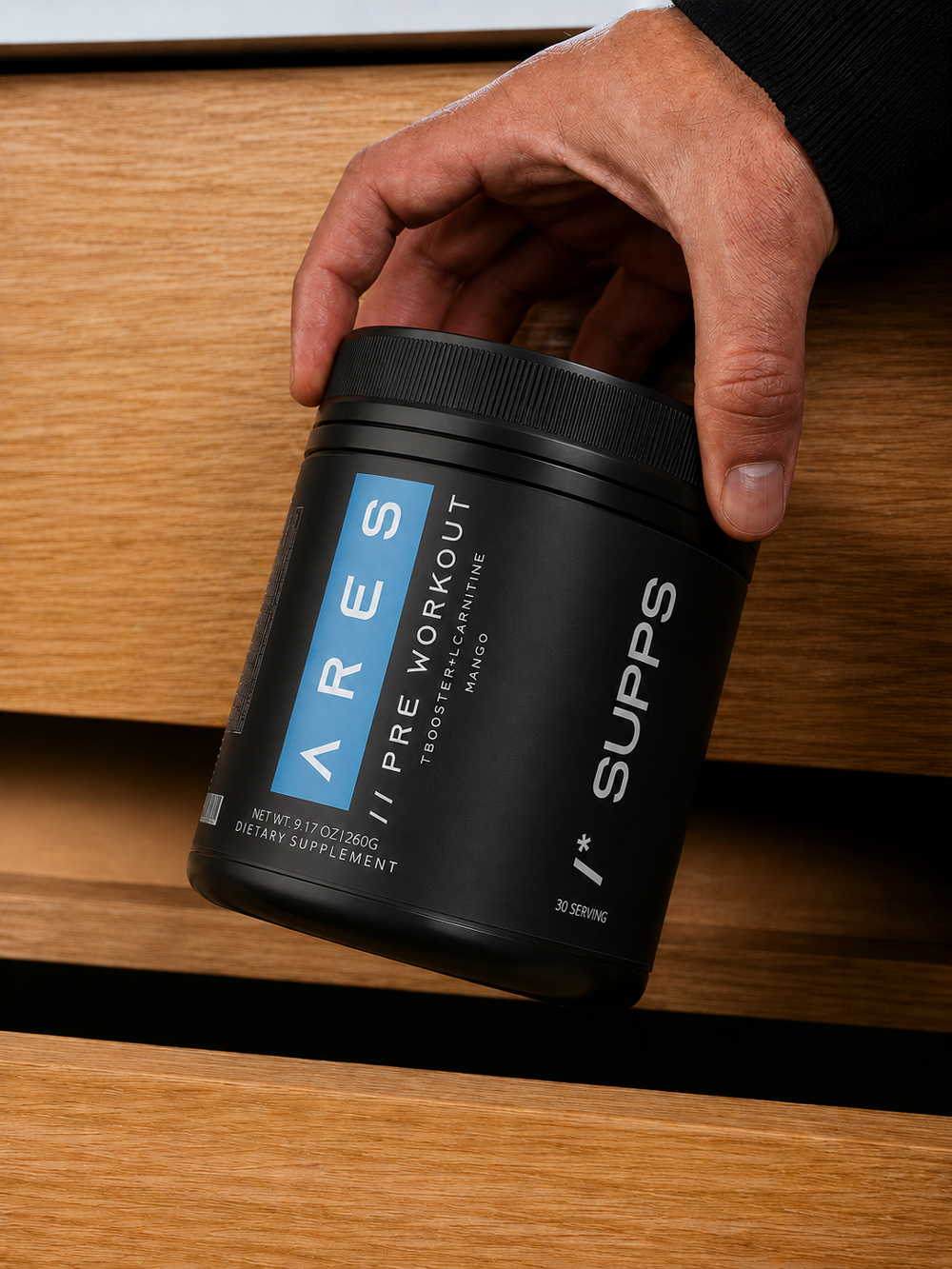
Looking for a high-quality pre workout that hits all the right ingredients at clinical doses? Try ARES Pre Workout by HereMySupps — formulated for serious Indian gym-goers who want performance without the crash. For your post-workout shake, their Erotes Isolate Whey offers fast-absorbing, low-lactose whey isolate with a clean ingredient profile.
You can also find their HereMySupps protein on Amazon India for quick delivery and easy returns.
Pre Workout + Whey Protein vs. Other Supplement Strategies: Comparison
Not every fitness goal demands this exact combination. Here is how it stacks up against common alternatives:
| Strategy | Best For | Performance Benefit | Recovery Benefit | Cost Efficiency | Ideal Timing |
|---|---|---|---|---|---|
| Pre Workout + Whey Isolate (this guide) | Muscle building, body recomposition, performance athletes | ⭐⭐⭐⭐⭐ | ⭐⭐⭐⭐⭐ | ⭐⭐⭐ | Pre workout 30–45 min before; whey within 30 min post |
| Whey Protein Only (no pre workout) | Beginners, budget-conscious, those avoiding stimulants | ⭐⭐ | ⭐⭐⭐⭐ | ⭐⭐⭐⭐⭐ | Post-workout or as a meal replacement |
| Pre Workout + Casein Protein | Night-time trainers, slow-release recovery needs | ⭐⭐⭐⭐⭐ | ⭐⭐⭐ | ⭐⭐⭐ | Pre workout before; casein before bed post-workout day |
| Creatine + Whey Protein (no pre workout) | Strength-focused athletes, powerlifters, those with caffeine sensitivity | ⭐⭐⭐⭐ | ⭐⭐⭐⭐ | ⭐⭐⭐⭐ | Creatine any time daily; whey post-workout |
The pre workout + whey isolate combination leads on raw performance and recovery metrics, but is not always necessary. If you are just starting out or training 3 or fewer times a week, optimising whole food intake and basic whey protein is a smarter investment before adding pre workout.
Frequently Asked Questions About Pre Workout and Whey Protein Timing
1. Can I take pre workout and whey protein at the same time?
Technically yes, but it is not optimal. Pre workout is designed to be taken 30–45 minutes before training to allow active ingredients like caffeine and citrulline to reach peak plasma levels. Whey protein is most valuable post-workout when muscles are primed for amino acid uptake. Taking them simultaneously means you're using whey before training (when MPS stimulation is less critical) and missing the post-workout window. There is no dangerous interaction between the two — it is a missed opportunity, not a safety concern.
2. How long should I wait between pre workout and whey protein?
The practical gap is your full training session — typically 45–90 minutes. Take your pre workout 30–45 minutes before you start lifting, then consume your whey protein within 30 minutes of completing your last set. This naturally creates a 2–3 hour separation between the two, which is physiologically ideal.
3. Is whey protein isolate better than concentrate for post-workout use?
For post-workout specifically, yes — isolate is preferred. Whey isolate undergoes additional filtration to remove most of the fat and lactose, resulting in a higher protein content per serving (90%+ vs 70–80% for concentrate) and faster absorption. For individuals with lactose sensitivity — which is more prevalent in the Indian population — isolate is also much easier on the digestive system. The cost difference is worth it if post-workout absorption speed is a priority.
4. Should I take pre workout on an empty stomach?
Ideally, no. Taking pre workout on a completely empty stomach can cause nausea, light-headedness, and gastric discomfort in many people — especially with higher caffeine doses. A light snack 60–90 minutes before (banana + a handful of roasted chana, for example) gives your digestive system something to work with without slowing gastric emptying enough to delay the pre workout's effectiveness.
5. Does timing matter less if I am taking supplements consistently every day?
For some nutrients like creatine, daily saturation matters more than timing — you can take it any time as long as you hit your daily dose. But for pre workout (stimulant-based) and whey protein (fast-digesting protein), timing directly determines whether you get the performance and recovery benefits those products are designed to deliver. Consistency matters, but for these two specifically, when you take them is as important as whether you take them.
Conclusion: Build Your Timing Protocol and Stay Consistent
Getting your pre workout and whey protein timing dialled in is one of the highest-leverage, lowest-cost optimisations you can make to your training programme. The protocol is not complicated: pre workout 30–45 minutes before your first rep, whey protein within 30 minutes of your last rep, and a balanced whole-food meal within 90 minutes after that. Follow this consistently across a training block and the cumulative gains in performance, muscle retention, and recovery speed will be clearly visible.
Remember — supplements are the 10% that amplifies the 90% of training, diet, and sleep you are already doing right. They are not shortcuts, but when used strategically, they make the hard work pay off faster.
Actionable takeaway: This week, audit your current supplementation timing. If you are taking whey protein randomly throughout the day or skipping the post-workout window, shift that single shake to the 30-minute post-workout slot and track how your recovery feels over the next two weeks. The difference is often noticeable within days.
Ready to upgrade your supplement stack with products that are formulated to match this protocol? Explore ARES Pre Workout and Erotes Isolate Whey Protein by HereMySupps — built for Indian athletes who train seriously. Also available on Amazon India.