Creatine Benefits for Brain
Feeling mentally drained, struggling with focus, or dealing with brain fog? You’re not alone. In today’s fast-paced lifestyle—especially for students, professionals, and fitness enthusiasts in India—mental performance matters just as much as physical strength. While most people associate Creatine benifits and myth with muscle building, emerging scientific research shows it can significantly impact brain health, cognition, and mental energy. Backed by decades of research in sports nutrition and neuroscience, creatine is now being explored as a powerful nootropic. In this article, we break down exactly how creatine works for the brain, its benefits, risks, and how to use it effectively.
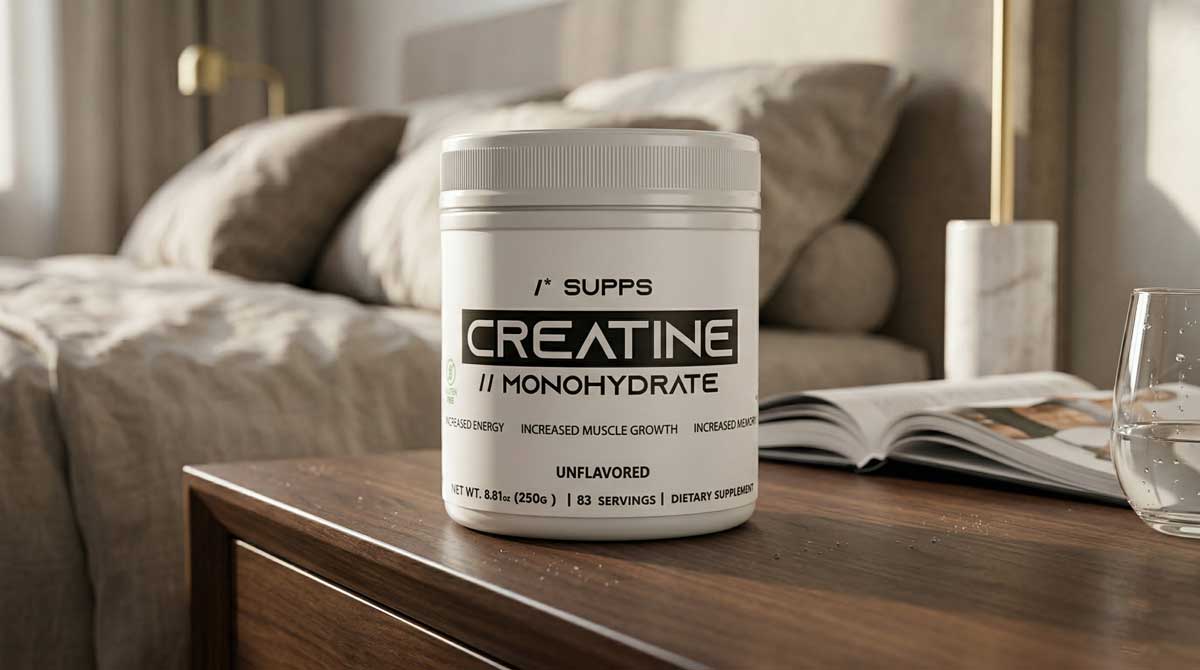
What is supps creatine
Creatine is a naturally occurring compound found in small amounts in foods like red meat and fish. It is also synthesized in the body from amino acids—arginine, glycine, and methionine—primarily in the liver and kidneys.
In the supplement world, creatine is most commonly consumed as creatine monohydrate, the most researched and widely used form. It is popular among athletes for improving strength, power output, and muscle recovery. However, creatine is not just for muscles—it plays a crucial role in energy production in all cells, including brain cells.
The brain is a high-energy-demand organ, consuming about 20% of the body’s energy. Creatine helps replenish ATP (adenosine triphosphate), the primary energy currency of cells, making it essential for both physical and mental performance.
Scientific explanation / How it works
To understand the creatine benefits for brain, we need to look at how it works at a cellular level.
Creatine is stored in the body as phosphocreatine. This compound helps regenerate ATP quickly during periods of high energy demand. In the brain, ATP is required for:
- Neurotransmitter synthesis
- Signal transmission between neurons
- Maintaining ion gradients
- Supporting cognitive processes like memory and attention
When you supplement with creatine, phosphocreatine stores increase, allowing the brain to maintain energy balance more efficiently—especially under stress, sleep deprivation, or intense mental work.
Additionally, creatine has shown neuroprotective effects. It may reduce oxidative stress, improve mitochondrial function, and support brain cell survival. This makes it particularly interesting for cognitive performance as well as potential therapeutic applications.
Benefits
Here are the most important creatine benefits for brain, supported by research and practical use:
- Improved cognitive performance: Creatine has been shown to enhance working memory, reasoning ability, and mental clarity—especially in sleep-deprived individuals.
- Better focus and attention: By improving energy availability in brain cells, creatine helps maintain concentration during long study or work sessions.
- Reduced mental fatigue: Ideal for students and professionals, creatine helps delay mental exhaustion during cognitively demanding tasks.
- Enhanced memory: Studies suggest creatine supplementation may improve short-term memory and recall ability.
- Neuroprotective properties: Creatine may protect brain cells from damage caused by oxidative stress and inflammation.
- Support during sleep deprivation: Creatine can partially offset the negative effects of lack of sleep on brain function.
- Mood support: Some evidence suggests https://heremysupps.com/blog/creatine-benefits-and-myth-bust may help reduce symptoms of depression when combined with other treatments.
Pro tip: If you're preparing for exams or working long hours, adding creatine to your routine could give you a mental edge. Combine it with proper sleep and hydration for best results.
Risks / Side effects
Creatine is one of the safest supplements available when used correctly. However, like any supplement, it has potential side effects if misused.
- Water retention: Creatine pulls water into cells, which may cause slight bloating in some individuals.
- Digestive discomfort: High doses can lead to stomach upset or diarrhea.
- Kidney concerns (myth vs reality): In healthy individuals, creatine does not harm kidneys. However, those with pre-existing kidney conditions should consult a doctor.
- Dehydration risk: Inadequate water intake can lead to dehydration, especially in hot Indian climates.
Important: Stick to recommended dosages and ensure proper hydration (at least 3–4 liters of water daily).
Who should use / Who should avoid
Who should use creatine for brain benefits:
- Students preparing for exams (JEE, NEET, UPSC)
- Working professionals with long cognitive workloads
- Gamers and eSports players
- Vegetarians (often have lower natural creatine levels)
- Fitness enthusiasts wanting both mental and physical performance
Who should avoid or consult a doctor first:
- Individuals with kidney disease
- People on medications affecting kidney function
- Pregnant or breastfeeding women
- Teenagers without professional guidance
Internal CTA: If you're serious about optimizing both your body and mind, creatine is one of the most cost-effective supplements you can start with.
Best usage guide (dosage, timing)
Using creatine correctly is essential to maximize its brain benefits.
Dosage/Usage Chart
| Phase | Dosage | Duration | Notes |
|---|---|---|---|
| Loading Phase (Optional) | 20g/day (split into 4 doses) | 5–7 days | Faster saturation, may cause bloating |
| Maintenance Phase | 3–5g/day | Ongoing | Standard long-term usage |
| Without Loading | 3–5g/day | 3–4 weeks to saturate | Gentler on stomach |
Best time to take:
- Any time of the day (consistency matters more)
- Post-workout or with meals for better absorption
Stacking tips:
- Combine with carbohydrates for better uptake
- Pair with omega-3s for brain health
- Avoid excessive caffeine if it causes digestive issues
Comparison table (vs alternatives)
| Supplement | Primary Benefit | Brain Benefits | Cost (India) | Best For |
|---|---|---|---|---|
| Creatine Monohydrate | Energy production | Memory, focus, mental energy | Low | All-round performance |
| Omega-3 (Fish Oil) | Brain structure support | Mood, cognition | Medium | Long-term brain health |
| Caffeine | Stimulation | Alertness, focus | Low | Short-term energy boost |
| Bacopa Monnieri | Ayurvedic nootropic | Memory, stress reduction | Medium | Traditional cognitive support |
Key insight: Creatine stands out because it directly enhances cellular energy, unlike most nootropics that act on neurotransmitters.
FAQ section
1. Can creatine really improve brain function?
Yes, research shows it can improve memory, focus, and mental energy, especially under stress or fatigue.
2. Is creatine safe for daily use?
Yes, long-term studies confirm safety in healthy individuals when taken at recommended doses.
3. Does creatine help with studying?
Yes, it can enhance cognitive endurance and reduce mental fatigue during long study sessions.
4. Is creatine suitable for vegetarians?
Absolutely. Vegetarians often benefit more because they have lower baseline creatine levels.
5. How long does it take to see brain benefits?
Typically 2–4 weeks of consistent use, depending on dosage and individual response.
Conclusion with actionable takeaway
The science is clear—creatine is not just a gym supplement; it’s a powerful tool for brain performance. From improving focus and memory to reducing mental fatigue, the creatine benefits for brain are especially relevant for students, professionals, and anyone dealing with high cognitive demands.
Action plan:
- Start with 3–5g of Best Creatine monohydrate daily
- Stay consistent for at least 4 weeks
- Maintain proper hydration
- Combine with good sleep and nutrition
If you're looking for a simple, affordable way to boost both mental and physical performance, creatine is one of the smartest additions you can make to your routine.